Solar Cycle 25 Ramps Up: What C-Class Flares Mean
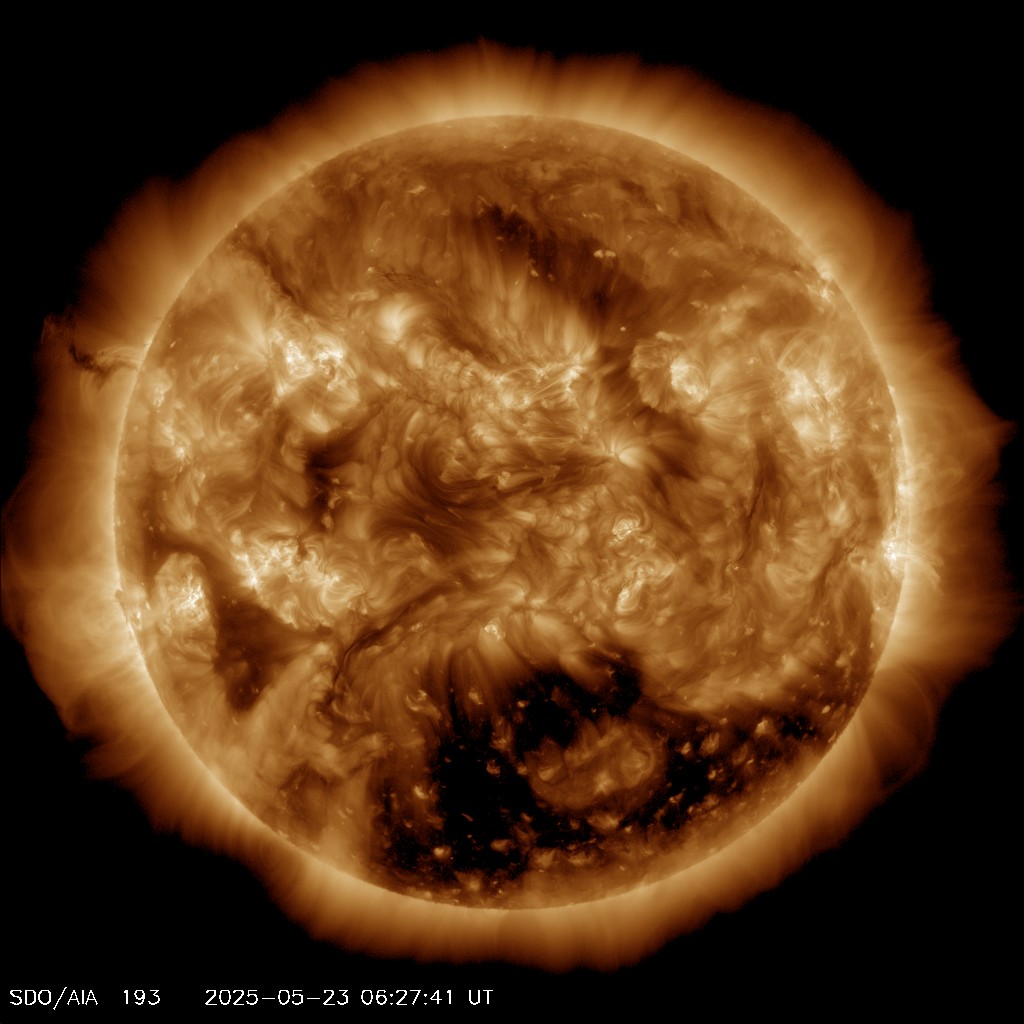
Solar activity is picking up as we climb toward Solar Cycle 25's peak, with recent C-class flares hinting at bigger things to come. Here's what space weather means for your daily life.
The Sun Is Getting Feisty
While y'all have been focused on tornado season ramping up across the Plains and whether the weather will cooperate for the Boston Marathon, there's another kind of storm brewing 93 million miles away. Our Sun is flexing its muscles as Solar Cycle 25 continues its climb toward peak activity, and this week's C-class solar flare activity is just a taste of what's coming.
The recent peak flux reading of 3.96e-6 W/m² puts us squarely in C-class territory — think of it as the Sun clearing its throat before the real show begins. But what does that actually mean for those of us down here on Earth?
Decoding Solar Flare Classes: From Whispers to Roars
Solar flares get classified like hurricane categories, but instead of wind speed, we're measuring X-ray intensity. The scale goes A, B, C, M, and X — each level is ten times stronger than the last.
Those C-class flares we've been seeing? They're the equivalent of a distant thunderstorm — noticeable if you're paying attention, but not going to ruin your picnic plans. M-class flares start getting interesting, potentially causing minor radio blackouts that might briefly disrupt your GPS during that weekend drive to Coachella. But X-class? That's when things get serious.
The biggest flare on record was an X28 back in 2003 that literally broke the measuring equipment. For perspective, our recent C3.96 reading is about 7,000 times weaker than that monster. But here's the thing about Solar Cycle 25 — we're still climbing toward solar maximum, expected around 2025-2026. We could be in for some real fireworks.
Where Solar Storms Meet Real Life
You might think space weather only matters to astronauts and satellite engineers, but it touches your daily life more than you realize. When a strong solar storm hits Earth's magnetic field, it can knock out power grids — just ask Quebec, which lost electricity for nine hours during the 1989 geomagnetic storm.
Airlines pay close attention to space weather too. Polar flights between North America and Asia sometimes get rerouted south during strong geomagnetic storms to avoid radiation exposure and radio blackouts. If you're flying to catch the tail end of the Masters Tournament in Augusta, a major solar event could add hours to your flight time.
The Aurora Connection: Nature's Best Light Show
Here's the silver lining to all this solar chaos — auroras. When charged particles from solar flares and coronal mass ejections slam into our atmosphere, they create those ethereal green and red curtains dancing across the night sky.
During strong geomagnetic storms (Kp index 7 or higher), the aurora oval expands south, sometimes reaching as far as northern California or the Carolinas. The strongest storms can push auroras down to latitudes that rarely see them — imagine catching the northern lights during your Easter weekend camping trip in Colorado.
If you want to catch auroras this cycle, your best bet is still the classic northern locations: Alaska, northern Canada, Iceland, and northern Scandinavia. But keep your eye on space weather forecasts — when a strong coronal mass ejection is Earth-bound, even folks in Minnesota or Maine might get lucky.
What's Next for Solar Cycle 25
We're riding the upward slope of Solar Cycle 25, and the C-class activity we're seeing now is like hearing the orchestra tuning up before the symphony begins. As we approach solar maximum over the next year or two, expect more frequent and stronger flares.
The key thing to watch is coronal mass ejections (CMEs) — these massive plasma clouds can take 1-3 days to reach Earth after launch. Unlike the immediate radio blackouts from flares, CMEs create the sustained geomagnetic storms that really shake things up down here.
Bottom Line
Keep an eye on space weather forecasts if you're planning anything that relies on GPS or satellite communication this weekend — though our current C-class activity shouldn't cause major disruptions. If you're somewhere with dark skies and a clear view north, it's worth checking aurora forecasts as Solar Cycle 25 continues ramping up. The real action is still ahead of us, so now's a good time to download a space weather app and start paying attention to our nearest star's moods.